I would be lost without my morning coffee.
Way back in the beginning of time, when I worked in an office, the coffee was… abysmal. It was the typical office coffee that everyone drank by the gallon.
Starbucks didn’t exist yet. Our coffee machine made a big pot of drip coffee with 2 more burners to keep extra pots warm.
The head of my IT department and I reached a deal with the coffee vendor: we, personally, would buy an expensive (drinkable) coffee if she would give us a small coffee machine to use. We kept it in my office.
Daily life improved.
Read on for some buying tips…
Curious how to buy coffee beans online?
Buying coffee beans online is much harder than it sounds. The coffee bean market is now worth $34.6 billion in 2024, so there are literally vendors throwing their product into cyberspace with reckless abandon. The hard part is determining which coffee is actually worth your money.
The problem is that people are making costly mistakes by not knowing what to look for. The result? They end up with stale beans, the wrong roast level, or flavor notes that don’t match their taste preference.
The good news is that after learning the important factors, ordering the best coffee beans online will be as easy as ABC.
So, without further ado, let’s jump right in!
https://www.pexels.com/photo/coffee-mug-surrounded-with-coffee-beans-585753
What you’ll learn:
- Types of coffee beans explained
- How to pick the right roast level
- Quality indicators when shopping online
- How to find a good online coffee shop
Types of coffee beans explained
Before you spend a dime on your next online coffee order, it’s essential to know the two main types of coffee beans.
Arabica beans are the most popular kind, accounting for about 61% of all coffee in the world. Arabica beans are known for their smooth, well-rounded taste with subtle sweetness. Arabica beans need to be grown at high altitudes to perform their best. Due to the extra care needed in producing Arabica beans, they cost more than other coffee bean types.
Robusta beans are the polar opposite in terms of flavor and price. Robusta is more bitter and harsh tasting with less acidity and more caffeine. Robusta beans are used in most espresso blends because it makes the flavor stronger and the crema better.
Here is a comparison:
Arabica beans have:
- smoother, sweeter taste
- fruity flavor profiles
- less caffeine but more fragile taste
- higher price
Robusta beans have:
- stronger, bitter taste
- earthy flavor notes
- more caffeine and stronger taste
- lower price
But wait, there is one more kind of coffee beans that specialty coffee connoisseurs are obsessed over…
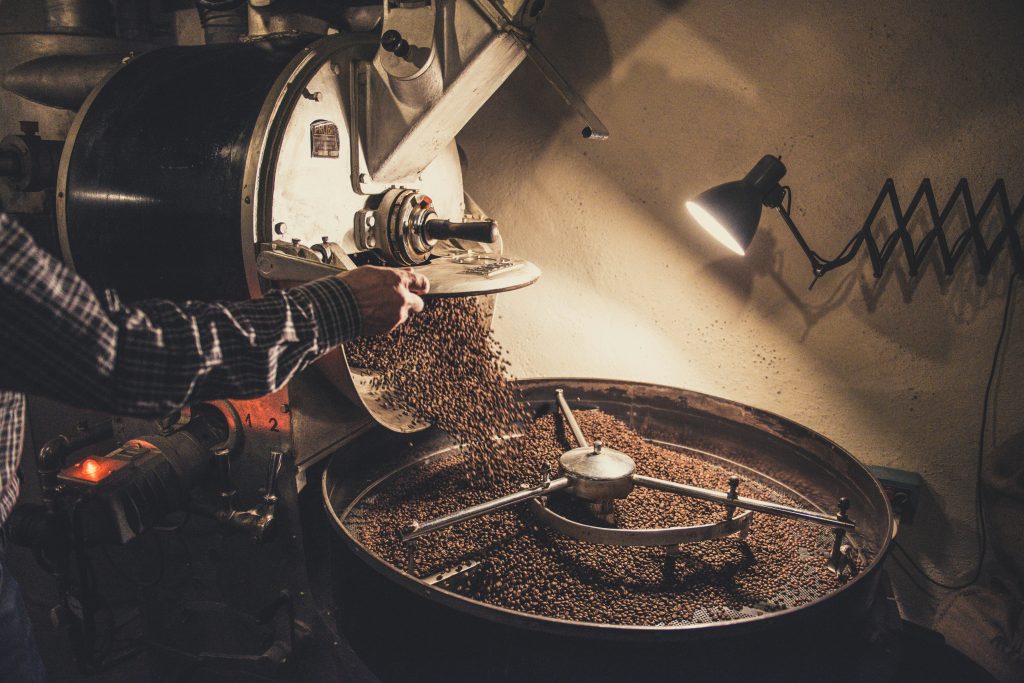
Small batch coffee takes bean quality to another level because the roaster handpicks and roasts the coffee in small batches. This ensures that the final product is as fresh and flavorful as possible, something that large producers just can’t provide.
Plus, specialty coffee consumption is booming, with 45% of American adults drinking specialty coffee every day in 2024. That’s the first time ever that traditional coffee consumption has been surpassed.
How to pick the right roast level
Picking the correct roast level is the secret to the best coffee beans.
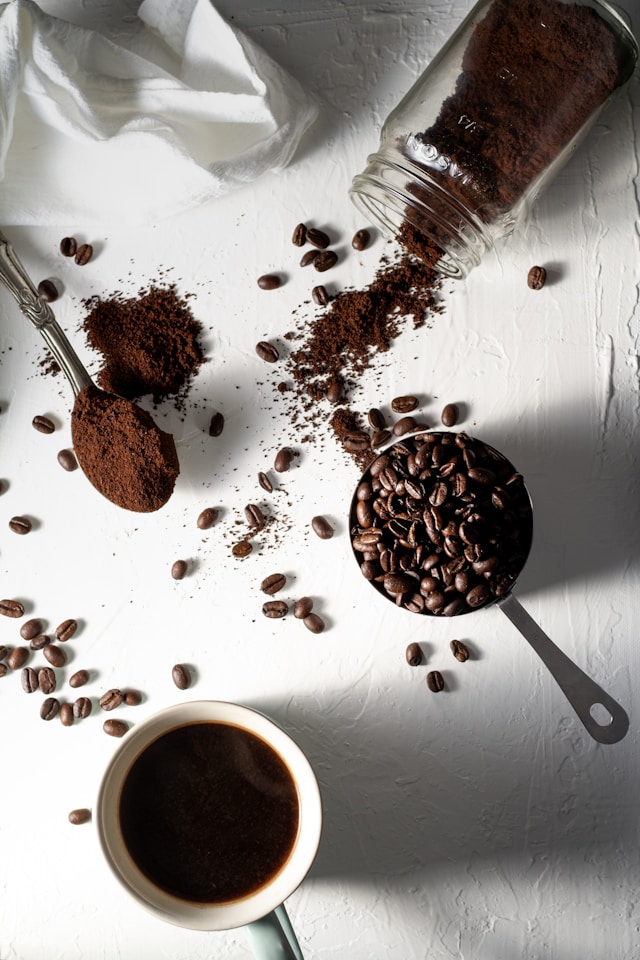
Roast level determines the flavor, strength, and even the caffeine content of the coffee beans. Most online retailers will categorize their coffee in one of the following roast levels.
Light roasts preserve the bean’s original qualities. Light roasts are great for single origin coffee when you want to taste the region’s flavors. They also have more acidity and caffeine because the beans are exposed to the roaster for less time.
Medium roasts are the balanced option. Medium roasts offer a nice blend of the bean’s natural flavor with the roasted sugars that are developed during the roasting process. The result is a well-rounded cup with good body.
Dark roasts push the beans to their limits. The longer roasting time means stronger, more smoky flavors and low acidity. Dark roasts are great for espresso and milk-based beverages because the flavors cut through the milk better.
Quality indicators when shopping online
Shopping for coffee online is a little different than going to the store.
You can’t smell the beans or check their appearance. So you need to pay attention to other quality indicators. The best online coffee retailers will provide as much information about their beans as possible.
Roast date is more important than you think.
Coffee is at its peak of flavor 7-14 days after roasting and starts to decline in quality after 4-6 weeks. This means it’s crucial to always check the roast date. If the retailer doesn’t show roast dates, they should be avoided.
Origin transparency is a must.
Quality coffee retailers will be transparent about where their beans are from – all the way down to the specific farm or cooperative. Single-origin coffees from Ethiopia, Colombia, or Costa Rica all have unique flavors worth trying.
Certifications are a good sign.
Look for Fair Trade, Rainforest Alliance, or USDA Organic certifications. These labels mean the coffee was ethically sourced and sustainably farmed.
Here are the most important quality indicators:
- Packaging details like one-way valve bags to keep the beans fresh, whole bean over pre-ground, and clear roast date labeling.
- Processing method natural processed beans have fruity flavors, washed processed beans taste brighter and cleaner, and honey processed beans are in between.
- Altitude grown above 4000 feet have more complex flavors because they mature slower in cooler temps.
How to find a good online coffee shop
Not all online coffee shops are created equal.
The online coffee industry has exploded in recent years with so many options popping up it’s hard to know where to start. So how do you spot the reputable quality roasters from the vendors selling stale coffee beans?
Read customer reviews, but do so critically.
Look for specific feedback about freshness, flavor accuracy, and shipping speed. Watch out for suspiciously perfect five-star ratings.
Check the retailer’s story and values.
The best online coffee companies are passionate about their product and transparent about their sourcing. They often feature profiles of the farmers they work with.
Try a subscription if you’re a coffee drinker.
Many specialty coffee roasters offer subscription services that deliver freshly roasted beans on a schedule you choose. This ensures you always have beans on hand while also guaranteeing maximum freshness.
Test the customer service.
Send a quick email with a question about bean recommendations. Quality retailers will respond promptly with helpful answers.
Look for these signs of a quality retailer:
- A professional website with detailed product descriptions, educational content about coffee, and easy navigation.
- Roasting practices like in-house roasting facilities, roast to order options, and detailed roast profiles.
- Shipping standards like fast shipping options, protective packaging, and clear freshness guarantees.
Decoding Coffee Labels
Coffee labels may seem like a bunch of marketing fluff but actually contain valuable information.
Once you know how to decode it, you can use the labels to help you select the perfect beans for your preferences. Let’s break down the most important information you’re likely to see.
Tasting notes describe flavors that you may be able to pick up when brewing correctly. The most common descriptors are chocolate, nuts, fruit, floral, and spice notes. These are natural characteristics based on the growing conditions.
Body refers to the weight and texture of the coffee in your mouth. Light bodied coffees have a more delicate, tea-like body. Full bodied coffees have a rich, creamy body.
Acidity doesn’t mean sour or bitter the way we normally think of it.
In coffee terminology, acidity is a different concept. It refers to bright, crisp flavors. High acidity coffees will taste vibrant and lively. Low acidity coffees taste smoother and more mellow.
Processing method has a major impact on flavor.
Natural processed beans have big, wine-like flavors. Washed processed coffees will taste cleaner and brighter. Honey processed beans fall in between the two in terms of flavor.
Wrapping it Up
Picking the perfect coffee beans online doesn’t have to be difficult.
Start by learning your preferred bean type and roast level. Then research the important quality indicators like roast dates, origin transparency, and ethical certifications. Choose retailers that show expertise and care about freshness.
The advantage of buying coffee online is that you have access to varieties that you’d never find in your local shops. You can try beans from all over the world and discover amazing flavors.
Remember these points:
- Always check the roast date – freshness is key. Beans should be roasted within the last two weeks.
- Start with small quantities when trying a new roaster. Order 8-12 ounces first to test out the quality.
- Store your beans properly once they arrive. Airtight container in a cool dark place.
- Experiment with different origins to find your preferences. Ethiopian beans are fruity. Colombian beans are sweet and balanced.
Your morning cup of coffee should be a delight, not a disappointment. With the right knowledge, you can make buying coffee online an adventure.